Planning a home remodel in Kentucky can be exciting—but without a clear budget, it can quickly become overwhelming. The key to a successful remodeling project isn’t just great design—it’s smart planning from the very beginning.
Whether you're remodeling a kitchen in Paducah, updating a bathroom in Benton, or renovating your entire home in Murray, understanding how to build a realistic budget helps you stay in control and avoid unexpected issues.
This guide will walk you through how to budget for your home remodel the right way.
Why Budgeting Matters in a Home Remodel
A well-planned budget does more than control spending—it sets the foundation for your entire project.
Proper budgeting helps you:
- Make informed decisions
- Prioritize what matters most
- Avoid delays caused by changes
- Reduce stress during construction
- Ensure a smoother overall experience
Without a clear plan, even small decisions can add up quickly and impact your project timeline.
Step 1: Define Your Remodeling Goals
Before thinking about numbers, start by identifying what you want to achieve.
Ask yourself:
- What areas of my home need improvement?
- What problems am I trying to solve?
- What features are must-haves vs nice-to-haves?
For example:
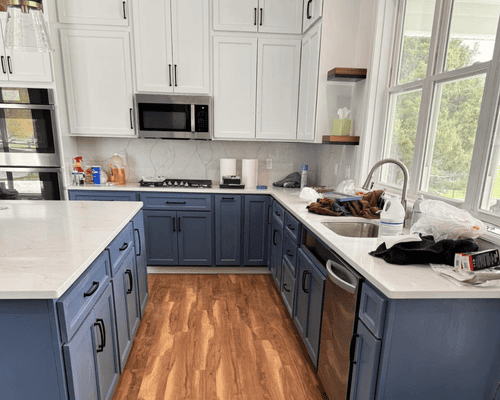
- A kitchen remodel may focus on layout and storage
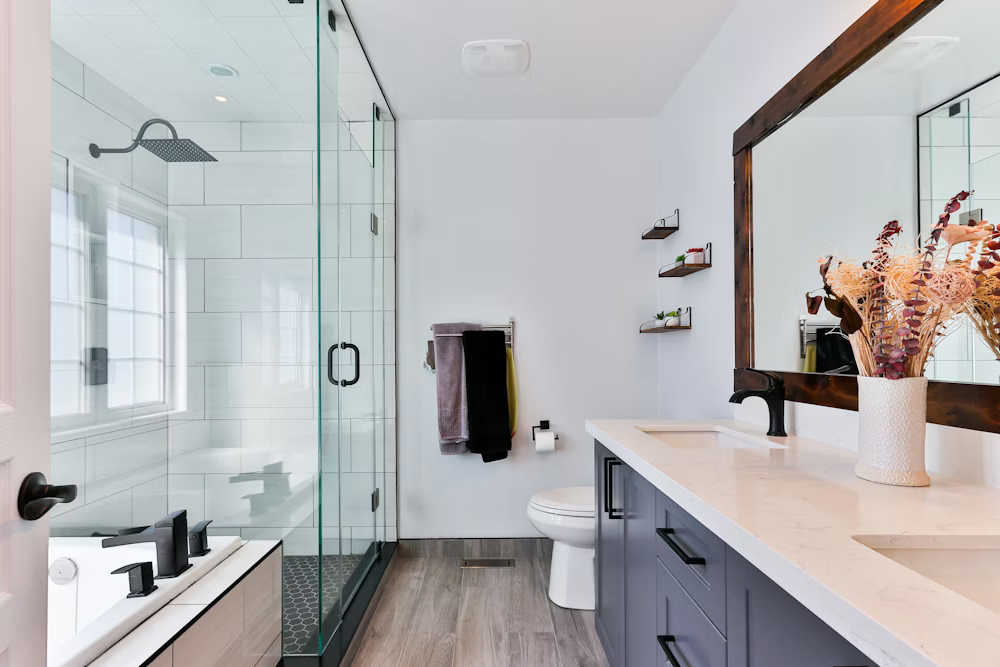
- A bathroom remodel may prioritize comfort and efficiency
- A full-home renovation may focus on modernization and flow
Clear goals help guide your budget and prevent unnecessary spending.
Step 2: Prioritize Your Needs vs Wants
One of the most important parts of budgeting is separating essentials from upgrades.
Needs:
- Structural improvements
- Functional layout changes
- Necessary repairs
Wants:
- High-end finishes
- Decorative upgrades
- Luxury features
Knowing the difference helps you stay flexible if adjustments are needed later.
Step 3: Understand the Scope of Your Project
The size and complexity of your remodel directly affect your budget planning.
Projects may include:
- Single-room updates (kitchen or bathroom)
- Multiple-room renovations
- Full home remodels
The more extensive the project, the more planning and coordination it requires.
Working with a contractor early helps define the full scope and avoid surprises later.
Step 4: Plan for Unexpected Costs
No matter how well you plan, unexpected issues can arise—especially in older homes.
Common surprises include:
- Hidden water damage
- Electrical or plumbing updates
- Structural repairs
Planning ahead for these possibilities ensures your project continues smoothly even if challenges come up.
Step 5: Choose Materials Wisely
Material selection plays a major role in both the look and long-term durability of your remodel.
When choosing materials, consider:
- Durability and maintenance
- Functionality for your lifestyle
- Long-term value
For example:
- Kitchens benefit from durable countertops and cabinetry
- Bathrooms require moisture-resistant materials
- Living areas should balance comfort and durability
Focusing on quality over trends helps ensure lasting results.
Step 6: Work with a Professional Contractor Early
One of the best ways to stay on budget is to involve a contractor from the beginning.
A professional contractor can:
- Help define realistic project scope
- Recommend cost-effective solutions
- Identify potential challenges early
- Provide a clear project plan
Early collaboration prevents costly changes later in the process.
Step 7: Avoid Common Budgeting Mistakes
Many homeowners run into issues because of avoidable mistakes.
Common Budgeting Mistakes:
- Not planning thoroughly
- Making last-minute design changes
- Choosing materials without considering long-term use
- Hiring based on price instead of experience
- Underestimating project complexity
Avoiding these mistakes helps keep your project on track.
Step 8: Think Long-Term Value
A remodel isn’t just about improving your current space—it’s also an investment in your home’s future.
Focus on upgrades that:
- Improve functionality
- Enhance comfort
- Increase long-term usability
Energy-efficient improvements are especially valuable.
How to Stay on Budget During Your Remodel
Once your project begins, staying on track requires ongoing attention.
Tips to Stay on Budget:
- Finalize decisions before construction starts
- Communicate clearly with your contractor
- Avoid unnecessary changes mid-project
- Stick to your priorities
Consistency and communication are key to maintaining control.
Why Homeowners in Kentucky Trust Kenny Wyatt Construction
Kenny Wyatt Construction helps homeowners across Murray, Benton, Paducah, and Mayfield plan and execute remodeling projects with confidence.
Homeowners choose their team for:
- Clear and transparent planning
- Practical design solutions
- Reliable communication
- High-quality craftsmanship
Their experience helps ensure your remodel stays organized, efficient, and aligned with your goals.
FAQs: Home Remodel Budgeting in Kentucky
What is the first step in creating a remodel budget?
Start by defining your goals and identifying what you want to achieve with your project.
How do I avoid going over budget?
Plan thoroughly, finalize decisions early, and work with an experienced contractor.
Should I prioritize design or functionality?
Functionality should come first, followed by design and finishes.
Can I adjust my budget during the project?
Adjustments are possible, but changes may affect your timeline and overall plan.
Who can help me plan my remodel?
A professional contractor can guide you through budgeting and project planning.
Plan Your Remodel with Confidence in Kentucky
A successful remodel starts with a clear plan and the right team.
Kenny Wyatt Construction helps homeowners across Western Kentucky turn their ideas into well-executed projects—without unnecessary stress or surprises.
Schedule your consultation today:
Let’s plan your remodel the right way from the start.