Cabinets influence much more than the appearance of a kitchen, bathroom, laundry room, or living area. They determine how efficiently you use available space, where everyday items are stored, and how easily your household stays organized.
For homeowners comparing stock cabinetry with
custom cabinets in Western Kentucky, the best choice depends on the room, storage needs, design preferences, and long-term plans. Stock cabinets can work well when standard dimensions fit the space. Custom cabinetry provides more flexibility when you need specific dimensions, specialized storage, or a design tailored to your home.
Understanding the differences before your project begins can help you choose cabinetry that looks good and works well for everyday life.
What Is the Difference Between Stock and Custom Cabinets?
Stock cabinets are manufactured in predetermined sizes and configurations. Homeowners select from the manufacturer's available dimensions, door styles, finishes, and features.
Because sizes are standardized, the room must accommodate the cabinetry.
Custom cabinets take a different approach. They can be planned around the actual measurements and requirements of the room.
That flexibility can account for:
- Unusual wall dimensions
- Ceiling height
- Appliance placement
- Corners and narrow spaces
- Specific storage needs
- Architectural features
- Built-in organization
This can be particularly useful when remodeling an older Western Kentucky home where existing dimensions may not align neatly with today's standard cabinet sizes.
When Do Stock Cabinets Make Sense?
Stock cabinetry can be a practical option when the room has a straightforward layout and standard sizes fit efficiently.
A kitchen with conventional wall dimensions and appliance placement, for example, may accommodate stock cabinets without requiring major modifications.
Stock cabinets may be suitable when:
- Standard sizes work with the room.
- Storage requirements are simple.
- Available styles complement the home.
- There are few unusual dimensions.
- Specialized organization is not a priority.
However, don't select cabinets based on appearance alone. Consider how doors and drawers will open, where appliances will sit, and where cookware, food, cleaning supplies, and other essentials will be stored.
A successful cabinet layout should work as a complete system.
Why Choose Custom Cabinets for a Western Kentucky Home?
The primary advantage of custom cabinetry is flexibility. Instead of adapting the room to predetermined cabinet sizes, cabinetry can be planned around the available space.
Make Better Use of Available Space
Small gaps beside appliances, unused corners, and awkward wall dimensions can create wasted space.
Custom cabinetry can be designed around these conditions. This may be particularly useful for homes in Murray, Benton, Paducah, Mayfield, and surrounding communities where remodeling often means working within an existing footprint.
Create Storage Around Your Routine
Good cabinet design isn't simply about adding more storage. The goal is to make storage easier to use.
Depending on your household, useful features may include:
- Deep drawers for cookware
- Pantry organization
- Pull-out storage
- Tray dividers
- Appliance storage
- Trash and recycling pull-outs
- Tall utility cabinets
- Bathroom linen storage
Before designing cabinetry, identify what frustrates you about the current room. If pots are difficult to reach or small appliances crowd the countertop, those problems can guide the new layout.
How Does Cabinetry Affect Kitchen Design?
Cabinet placement influences almost every part of a kitchen.
It affects:
- Countertop space
- Appliance locations
- Sink placement
- Walkways
- Electrical outlets
- Lighting
- Pantry organization
- Work areas
For that reason, cabinetry should be considered during the overall planning process rather than treated as a finishing detail.
Think about how you actually use the kitchen. Someone who cooks frequently may prefer deep drawers near the range for cookware. A household that uses several small appliances may benefit from dedicated storage close to electrical outlets.
Function should establish the layout before colors, hardware, and decorative details are selected.
Where Else Can Custom Cabinetry Be Used?
Custom cabinetry isn't limited to kitchens.
It can provide built-in storage for:
- Bathrooms
- Laundry rooms
- Home offices
- Mudrooms
- Living rooms
- Dining rooms
- Entryways
- Entertainment areas
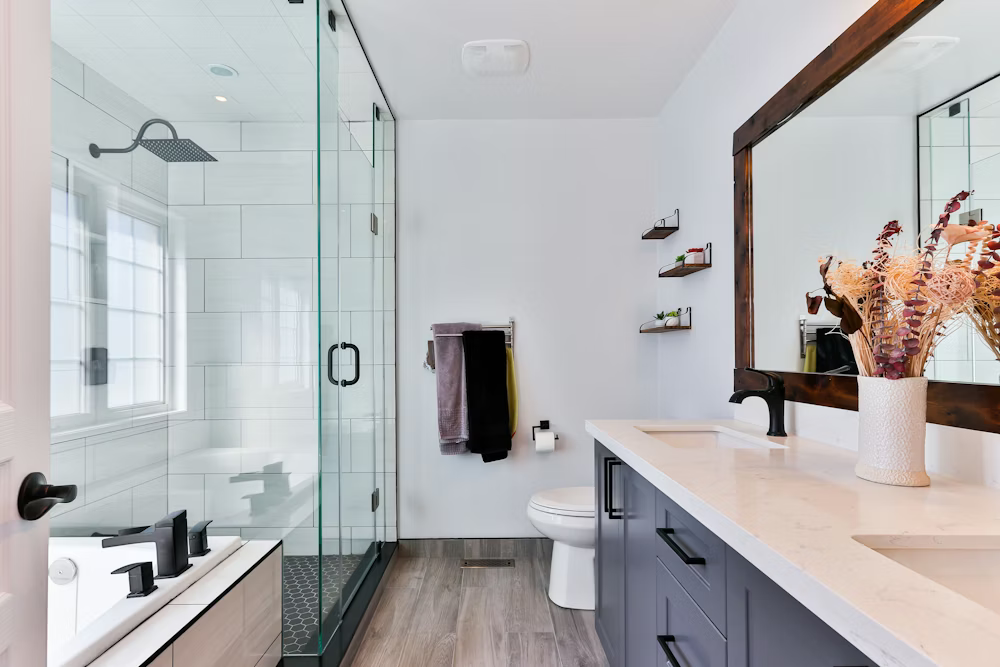
For example, a bathroom vanity can be designed around plumbing while creating practical storage for toiletries and linens.
A mudroom can combine cabinets, cubbies, hooks, and bench storage to keep shoes, coats, bags, and outdoor equipment organized.
Built-ins can also help a living room or office feel more intentional because the storage is designed as part of the space rather than added later as freestanding furniture.
What Should You Consider Before Choosing Cabinets?
Before selecting cabinet colors or door styles, answer a few practical questions:
- What needs to be stored?
- Which items do you use most often?
- What doesn't work about your current cabinetry?
- Are there awkward or unused spaces?
- Will standard cabinet sizes fit efficiently?
- Do you need specialized organization?
- How will cabinets interact with appliances and fixtures?
These answers can help establish priorities before visual selections begin.
If cabinetry is part of a larger remodel, coordinate it with plumbing, electrical work, flooring, countertops, appliances, lighting, and other construction elements.
Changing cabinet dimensions later can affect several other parts of the project.
Custom vs. Stock Cabinets: Which Is Right for You?
Neither option is automatically better for every home.
Stock cabinetry can work well when standard dimensions fit the room, and available configurations meet your storage needs.
Custom cabinetry may make more sense when you want to maximize available space, accommodate unusual dimensions, create specialized storage, or integrate cabinetry with architectural features.
Think about long-term use as well as appearance. Cabinets are opened, closed, loaded, and used every day. A layout that supports your household's routines can make the entire room easier to live in.
Frequently Asked Questions About Custom Cabinets
Are custom cabinets only for kitchens?
No. Custom cabinetry can be used in bathrooms, laundry rooms, offices, mudrooms, living areas, entertainment spaces, and other areas where built-in storage is useful.
Are custom cabinets useful for older homes?
Yes. They can help address unusual dimensions, corners, ceiling heights, and architectural features that may not work efficiently with standard cabinet sizes.
Can custom cabinets improve storage?
They can. Custom dimensions and organization features allow storage to be designed around specific household needs and available space.
When should cabinetry be planned during a remodel?
Plan cabinetry early. Cabinet dimensions can influence appliances, plumbing, electrical outlets, countertops, lighting, flooring, and walkways.
How do I choose between stock and custom cabinets?
Consider the room dimensions, storage requirements, design preferences, and how efficiently standard sizes fit the space. Your overall remodeling plan should guide the decision.
Choose Cabinets That Work for Your Home
The right cabinetry should do more than complete the appearance of a room. It should improve organization, make daily routines easier, and use available space effectively.
Stock cabinets can be practical for straightforward layouts.
Custom cabinets in Western Kentucky provide greater flexibility when homeowners need tailored dimensions, specialized storage, or cabinetry designed around an existing space.
Start by identifying how you use the room and what your current storage fails to accomplish. Those answers will help you choose cabinetry based on function as well as appearance.
Kenny Wyatt Construction of Calloway offers custom cabinetry as part of its residential construction services.