Choosing between wood and composite decking is one of the biggest decisions homeowners face when planning a new deck. Both materials can create an attractive outdoor living space, but they differ in appearance, maintenance, durability, and how they feel in everyday use.
When comparing
wood vs composite decking in Kentucky, homeowners should also consider local conditions. Decks in Western Kentucky experience hot summers, cold periods, rain, humidity, and seasonal temperature changes. Your deck material needs to fit both your expectations and the environment where it will be installed.
There is no single material that is right for every property. Understanding the practical differences can help you choose a deck that fits your home, lifestyle, and willingness to handle ongoing maintenance.
What Is Wood Decking?
Wood remains a familiar choice for residential decks because of its natural appearance.
Different wood species and grades are available, but wood decking generally provides the grain patterns, color variations, and texture many homeowners associate with a traditional outdoor space.
Wood can also be stained in different tones, allowing homeowners to adjust its appearance as part of the overall exterior design.
However, wood is a natural material. Exposure to moisture, sunlight, temperature changes, and everyday use means it requires ongoing attention.
Depending on the material and exposure, maintenance may include cleaning, staining, or sealing to help protect the deck.
For some homeowners, that maintenance is an acceptable tradeoff for natural wood. Others prefer a material requiring less routine upkeep.
What Is Composite Decking?
Composite decking is manufactured rather than cut directly from natural lumber. Products vary by manufacturer, but composite boards commonly combine engineered materials to create decking designed for exterior use.
Modern composite products are available in many colors, textures, and wood-inspired finishes.
One of their primary advantages is reduced maintenance compared with traditional wood.
Composite decking generally does not require the same recurring staining or sealing routine as wood. Homeowners still need to clean the surface and follow the manufacturer's care instructions, but the ongoing maintenance requirements are different.
This can make composite appealing to homeowners who want an outdoor living area without regularly refinishing deck boards.
Wood vs. Composite Decking: How Does Maintenance Compare?
Maintenance is one of the clearest differences between the two materials.
Maintaining a Wood Deck
Wood needs protection from outdoor exposure.
Maintenance requirements depend on the specific material, finish, location, and weather exposure, but homeowners should expect to inspect the deck periodically.
Watch for:
- Worn or damaged finishes
- Loose fasteners
- Splintering
- Cracks
- Moisture-related deterioration
- Areas that need cleaning
Keeping up with routine care can help maintain the deck's appearance and condition.
Maintaining a Composite Deck
Composite decking usually requires less recurring finish maintenance.
Routine care may involve removing leaves and debris, washing the surface, and addressing spills according to the manufacturer's recommendations.
Less maintenance does not mean no maintenance. Any outdoor surface needs periodic cleaning and inspection.
The important question is how much time you want to dedicate to maintaining the deck over the years.
Which Decking Material Looks Better?
Appearance is subjective.
Homeowners who value authentic grain and natural variation may prefer wood. Each board has its own characteristics, and stain can enhance or change the overall color.
Composite decking provides a more controlled appearance. Manufacturers can produce consistent colors and textures, which may appeal to homeowners who want a uniform finished deck.
Rather than asking which material looks better in general, consider which one works better with your property.
Look at:
- Exterior siding or brick
- Trim colors
- Roof color
- Existing landscaping
- Railings
- Nearby patios or hardscaping
The deck should feel connected to the house rather than like an unrelated addition.
How Does Kentucky Weather Affect a Deck?
Outdoor materials in Kentucky experience changing conditions throughout the year.
Rain and humidity make moisture management important. Summer sun can heat exposed surfaces, while seasonal temperature changes affect exterior building materials differently.
Proper construction matters regardless of which decking surface you choose.
A well-planned deck needs more than attractive boards. The structure beneath the decking, drainage, ventilation, flashing, connections, stairs, and railings all contribute to performance and safety.
Homeowners should also consider shade.
A deck exposed to direct afternoon sun will experience different conditions from one beneath mature trees. Trees can provide shade but may also increase the amount of leaves, pollen, and organic debris that collects on the surface.
Your specific site should influence the material decision.
Which Material Is Better for a Busy Household?
Think about how the deck will actually be used.
A household that entertains frequently may prioritize easy cleaning and lower maintenance. Someone who enjoys the appearance and feel of natural materials may be more comfortable maintaining a wood deck.
If children or pets regularly use the area, consider surface texture, maintenance requirements, and how easily the deck can be cleaned.
Also think about what will sit on the deck.
Possible uses include:
- Outdoor dining
- Grilling
- Lounge furniture
- Planters
- Children's play areas
- Gathering spaces
- Access to a backyard or pool area
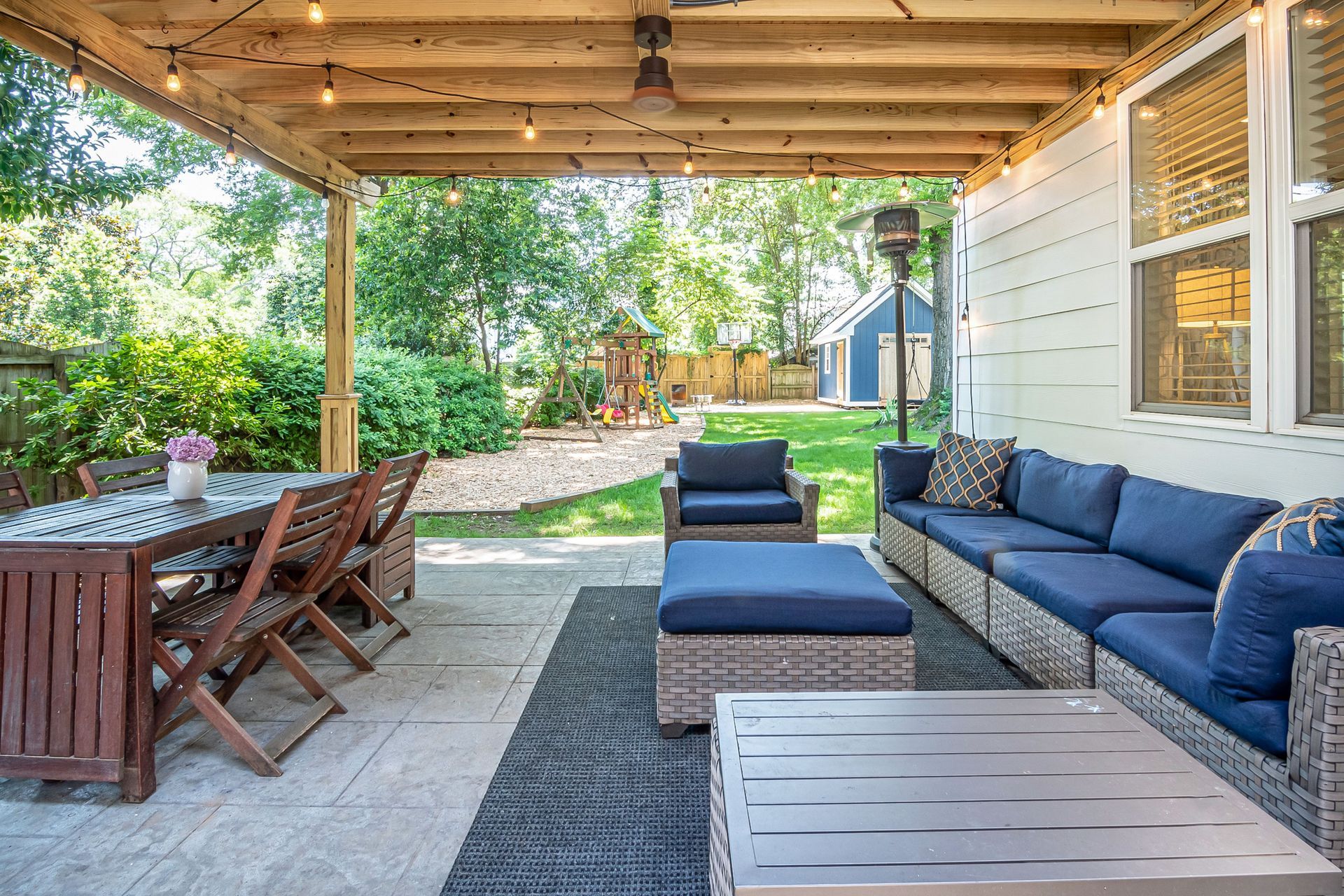
The intended use can influence everything from material choice to deck size and traffic flow.
Don't Choose Decking Before Planning the Layout
Material is important, but a good deck begins with a functional plan.
Before selecting boards, decide how much usable space you need and how people will move between the house, deck, and yard.
Consider:
- Door locations
- Stairs
- Seating areas
- Grilling space
- Dining furniture
- Railings
- Shade
- Yard access
- Traffic patterns
A deck can have attractive materials and still feel inconvenient if the layout does not support how you plan to use it.
Measure outdoor furniture and grills before finalizing dimensions. This can help prevent a deck from feeling crowded once everything is in place.
Frequently Asked Questions About Decking
Does composite decking require maintenance?
Yes, but its maintenance needs differ from wood. Composite surfaces generally need periodic cleaning and care based on the manufacturer's instructions rather than recurring staining or sealing.
Does wood decking need to be sealed?
Maintenance depends on the wood and finish used. Many wood decks require periodic protective treatment to help manage outdoor exposure.
Which decking is better for Kentucky weather?
Both materials can be used successfully when the deck is properly designed and installed. Consider moisture, sun exposure, maintenance expectations, and the conditions around your property.
Can I combine composite decking with different railing materials?
Depending on the deck design and product systems selected, homeowners may have several railing options. The materials should be planned together for a coordinated appearance and proper installation.
Should I choose the decking material before contacting a contractor?
Not necessarily. Discussing the property, intended use, layout, and maintenance preferences first can help narrow down appropriate material options.
Choose a Deck Material That Fits Your Lifestyle
The
wood vs composite decking Kentucky decision should come down to how you want the deck to look, perform, and fit into your routine.
Wood provides a natural appearance and traditional character but typically requires more ongoing care. Composite decking offers a different approach, with consistent finishes and reduced recurring maintenance.
Whichever material you prefer, don't evaluate the surface boards in isolation. Layout, structural construction, drainage, stairs, railings, and connections to the home are equally important to the finished project.
Kenny Wyatt Construction of Calloway provides deck construction services for homeowners in Murray and surrounding Western Kentucky communities.